Ram 1500 vs Ram 2500
Pickup truck · 2015–2025 · 12,033 federal complaints
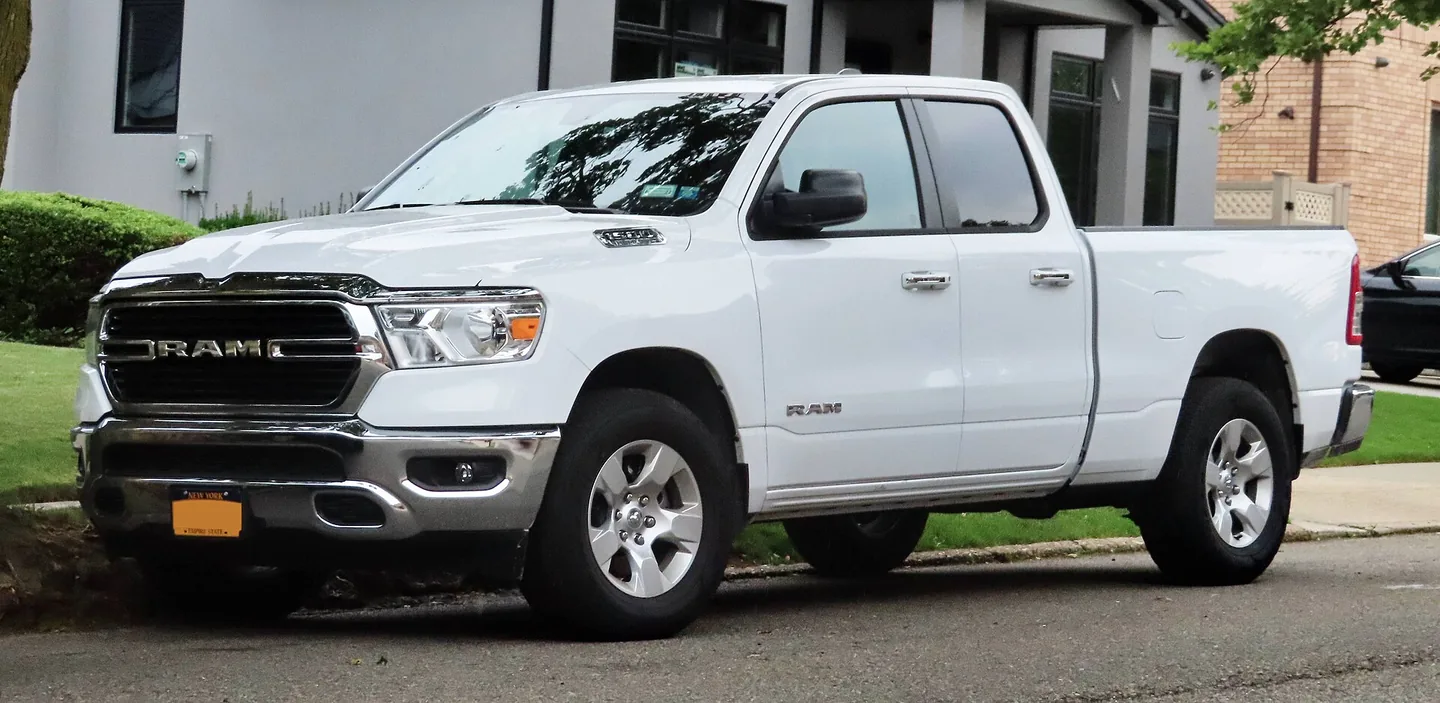
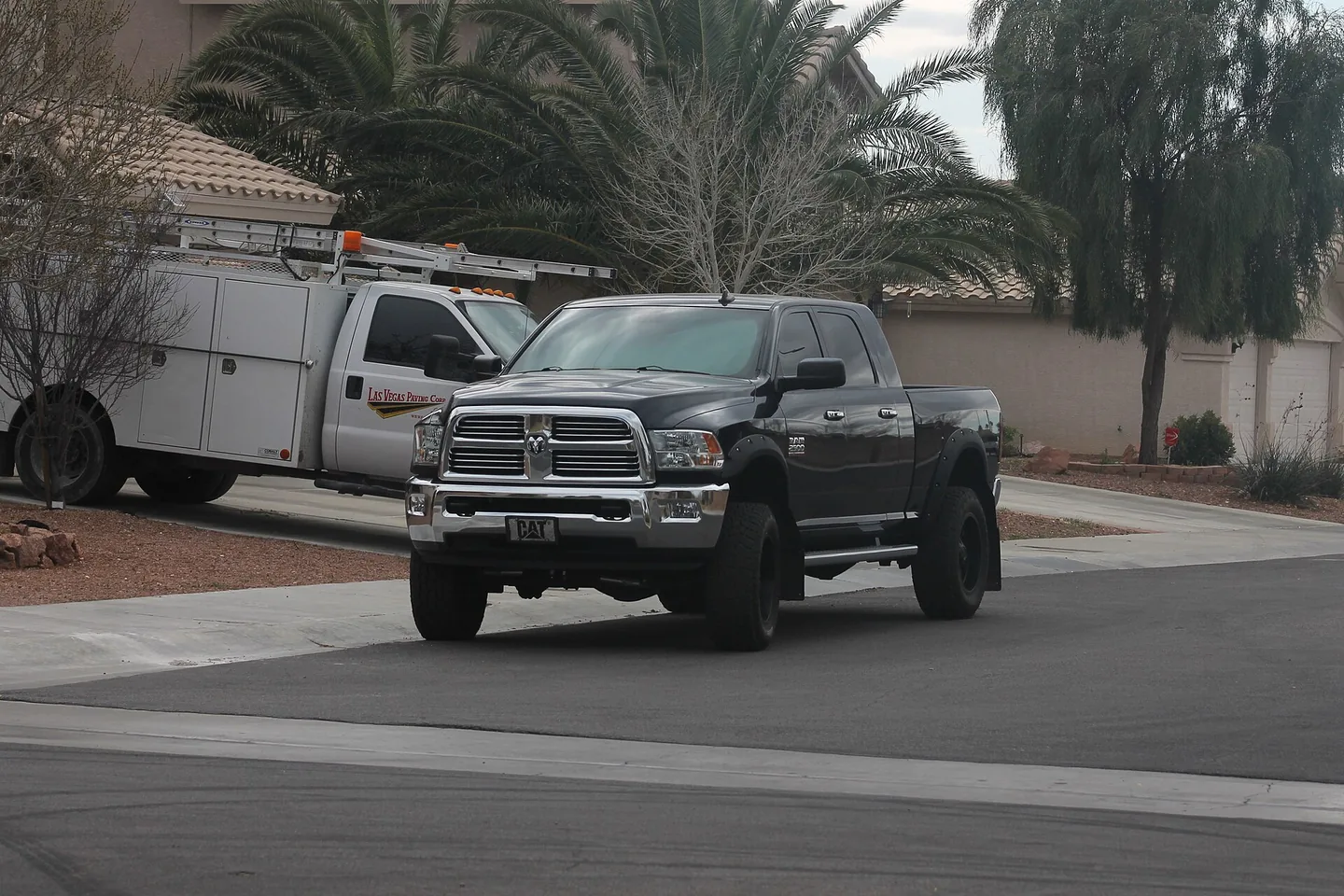
At a glance
Side by side. EPA figures are the model's median across its test variants; price is the base-trim MSRP (CarAPI), median across covered model years.
| Ram 1500 | Ram 2500 | |
|---|---|---|
| Base MSRP | $26,795 | $32,345 |
| Most common engine | 5.7L V8 | 6.7L I6 |
| Induction | Naturally aspirated | — |
| Fuel economy | 19 MPG | — |
| Running cost | $3,450/yr | — |
| Low emissions | 465 g/mi | — |
| Displacement | 3.6 L | — |
| NHTSA overall crash rating | ★★★★★ (2023) | ★★★★ (2023) |
| Rollover risk (NHTSA) | 19.8% | 29.2% |
| Engines with enough data | 3 | 3 |
Side by side
Both cars scored as percentiles within Pickup truck, so the shapes are directly comparable. Built from EPA test data.
What each one's complaints are about
Showing each car's highest-volume engine. Share of component mentions — not a failure rate, and not a ranking between the two.
Ram 1500
Ram 2500
How often each one's complaints involve a fire, crash or injury
Shares of each car's own complaints — sales volume cancels out of a within-car ratio, so these two can be compared. The vertical mark is the all-vehicle average.
all vehicles — Fire 1.1% · Crash 4.4% · Injury 2.6%
Every engine with enough data
Complaint counts per engine are shown for scale only — they track how many were sold, not how often they fail.
Ram 1500
- 5.7L V8Naturally aspirated5,203
- 3.0L V6Turbo1,713
- 3.6L V6Naturally aspirated817
Ram 2500
- 6.7L I62,995
- 6.4L V81,141
- 5.7L V8114
Recalls where NHTSA said stop driving or park outside
The severest recall class only. Model-level, manufacturer-confirmed. Recall repairs are free at any franchised dealer, whatever the car's age.
Ram 1500
- Service Brakes, Hydraulic › Foundation Components › Master Cylinder (stop driving, 2021–2021) 21V037000
Ram 2500
- Electrical System › Wiring › Relays/Solenoids (park outside, 2021–2023) 23V060000
- Electrical System › Wiring › Relays/Solenoids (park outside, 2021–2022) 21V798000
One car having more complaints than the other mostly reflects how many were sold, not how often they break. Compare each car's own mix of problems — not the totals.